
The Complete Guide to Nahargarh Fort: Sunset Views and Royal History
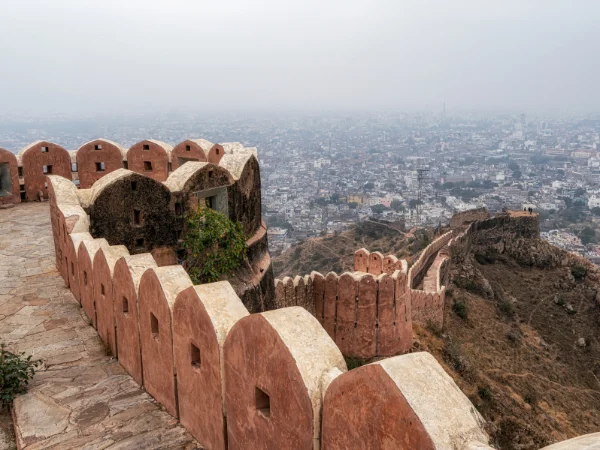
Perched high on the rugged ridges of the Aravalli Hills, Nahargarh Fort stands as a silent sentinel overlooking the sprawling metropolis of Jaipur. While it was originally designed as a formidable defensive ring to protect the Pink City, today, Nahargarh is celebrated for something much more serene: offering the most spectacular sunset views in all of Rajasthan.
Whether you are a history enthusiast drawn to Rajput architecture, a nature lover hoping to catch the perfect golden hour, or a traveler seeking a peaceful evening above the city’s hustle, Nahargarh Fort is an unmissable part of the Jaipur experience. Here is your complete guide to exploring its royal past, navigating its corridors, and capturing the perfect sunset.
The History: Tigers, Kings, and a Haunted Legend
Constructed in 1734 by Maharaja Sawai Jai Singh II, the founder of Jaipur, the fort was originally named Sudarshangarh. However, local lore tells of a Rathore prince named Nahar Singh Bhomia, whose connection to the land became part of the fort’s history and inspired traditions surrounding its construction. To pacify his spirit, a temple was built in his honor within the fort’s premises, and the fortress was aptly renamed Nahargarh, which translates to the “abode of tigers.”
Unlike its neighboring fortresses, Amber and Jaigarh, Nahargarh never came under attack during its history. The formidable walls, which extend over the hills and connect to Jaigarh Fort, were built for defense but ultimately served a more peaceful purpose. The fort primarily acted as a summer retreat for the royal family, offering a breezy, elevated escape from the intense desert heat of the plains.
Architectural Splendor: Inside Madhavendra Bhawan
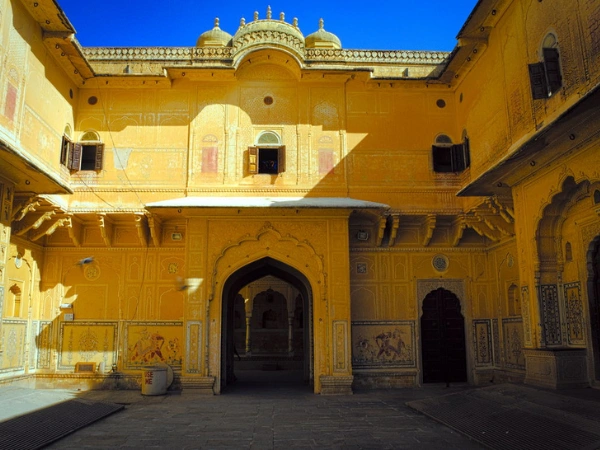
The crown jewel of Nahargarh Fort is Madhavendra Bhawan, a stunning two-story palace built by Sawai Madho Singh. This section of the fort perfectly encapsulates the luxurious lifestyle of Rajput royalty. The palace features a massive suite for the King himself, surrounded by nine identical, interconnected suites designed for his nine queens.
These queen’s quarters were architectural marvels of their time. The corridors were designed with such acoustic precision and architectural ingenuity that the King could visit one queen’s chamber without the others ever knowing. As you wander through the labyrinthine halls today, you will find faded yet beautiful frescoes depicting Rajput artistry, floral motifs, and scenes from royal life decorating the walls.
The blend of Indian and European architectural styles is evident in the delicate arches, intricate stonework, and European-style rectangular windows. Beyond the palace, the fort is also famous for its two asymmetrical stepwells (bawdis). Unlike symmetrical stepwells found elsewhere in India, these were carved directly into the hillside, meticulously designed to harvest rainwater without disturbing the natural mountainous terrain.
Catching the Golden Hour: Nahargarh Sunset & Night Views
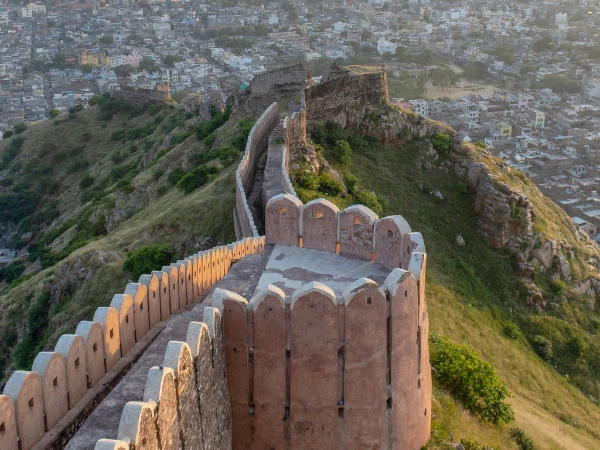
While the fort is beautiful in the morning light, the absolute best time to visit Nahargarh is in the late afternoon, between 4:00 PM and 4:30 PM. This allows you ample time to explore the intricate interiors of Madhavendra Bhawan before finding a spot along the fort’s extensive outer walls to watch the sunset.
As the sun dips below the horizon, the view from the Nahargarh walls is nothing short of magical. The amber-colored sandstone of the fort glows warmly, and the entire Pink City below is bathed in vibrant hues of orange, pink, and purple. As twilight sets in, the city slowly transforms into a vast sea of twinkling lights. Watching the city illuminate from this vantage point provides a moment of profound tranquility that contrasts beautifully with the bustling energy of the streets below. During the peak winter season, the fort remains open into the evening, offering visitors the rare chance to enjoy the sparkling night view over Jaipur.
Planning Your Visit: Timings, Tickets, and How to Reach
Planning your trip carefully ensures you make the most of your visit without feeling rushed or encountering unexpected closures.
- Entry Timings: The fort is open daily from 10:00 AM to 10:00 PM. However, during the peak tourist season from October to March, night access is often permitted until 9:00 PM, allowing visitors to fully enjoy the illuminated cityscape.
- Ticket Prices: As of 2026, the entry fee for Indian nationals is ₹100, while foreign tourists are charged ₹600. Discounted rates are available for students carrying valid ID cards, with entry costing ₹10 for Indian students and ₹40 for foreign students. There are also minor additional fees for visitors carrying professional still and video cameras.
General Tickets
- Indian Adult – RS. 100
- Indian Student – RS. 50
- Foreigner Adult – RS. 600
- Foreigner Student – RS.300
Composite Ticket
- Indian Adult – RS. 550
- Indian Student – RS. 180
- Foreigner Adult – RS. 1700
- Foreigner Student – RS. 800
Information
Free Entry for :
- Children below 7 years.
- Entry for Student groups shall be free every day between 10.00 AM to 05.00 PM on the recommendation of their respective Institute.
Free Entry days:
- On the occasion of Rajasthan Diwas
- 18 April- World Heritage Day
- 18 May-World Museum Day
- 27 September- World Tourism Day
- Student ticket will be issued on valid ID card
How to Reach: Navigating your way to the top of the Aravalli ridge requires a bit of planning.
- How do I travel to Nahargarh Fort?
The best way is by private taxi, cab, or rented two-wheeler, as there are no direct public buses up the hill. - Can we take a car to Nahargarh Fort?
Yes, private cars and taxis can drive all the way up the scenic road directly to the parking area. - Which railway station is closest?
Jaipur Junction Railway Station, located approximately 20 kilometers away by road. - Which metro station is nearest?
Chandpole Metro Station (Pink Line). You will still need to hire a taxi or auto-rickshaw from there for the uphill journey. - Do we need to walk to reach the fort?
Not if you take a vehicle to the top. However, exploring the fort’s courtyards and walls inside requires walking. (For adventurous travelers, a steep trekking path starts at Brahampuri).
Where to Stay: Recharging in Serenity at Savista Retreat
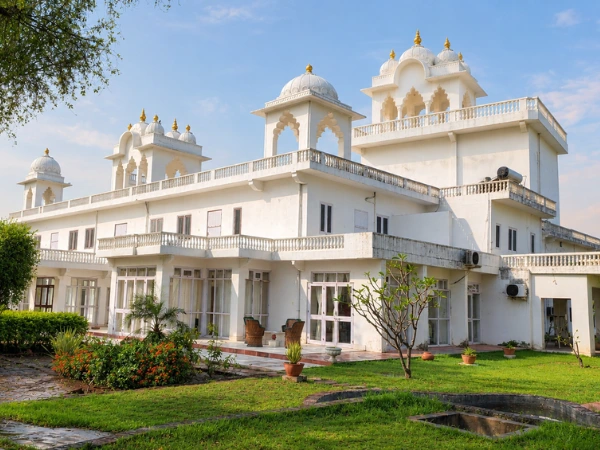
After a vibrant evening navigating the soaring heights of Nahargarh Fort, retreating from the city’s glowing chaos back to a space of genuine tranquility is a welcome contrast. Located just a short drive from the historical monuments of Jaipur, Savista Retreat offers the perfect mindful sanctuary to anchor your Rajasthan travels.
Unlike the crowded hotels within the city center, Savista is an eco-conscious luxury boutique hotel set within a meticulously restored 12-acre heritage haveli. The peace found on the walls of Nahargarh during sunset mirrors the serene, unhurried atmosphere of our countryside estate. Returning to Savista after your excursion means trading the noisy city streets for an intimate, hyper-personalized “second home” experience. Here, you can unwind in your uniquely designed, nature-inspired room, rejuvenate with holistic wellness treatments, or simply enjoy a farm-to-fork meal prepared from 100% organic, estate-grown ingredients. It is the ideal way to reflect on the day’s historical discoveries while sinking into the restorative calm of mindful travel.