
Kesar
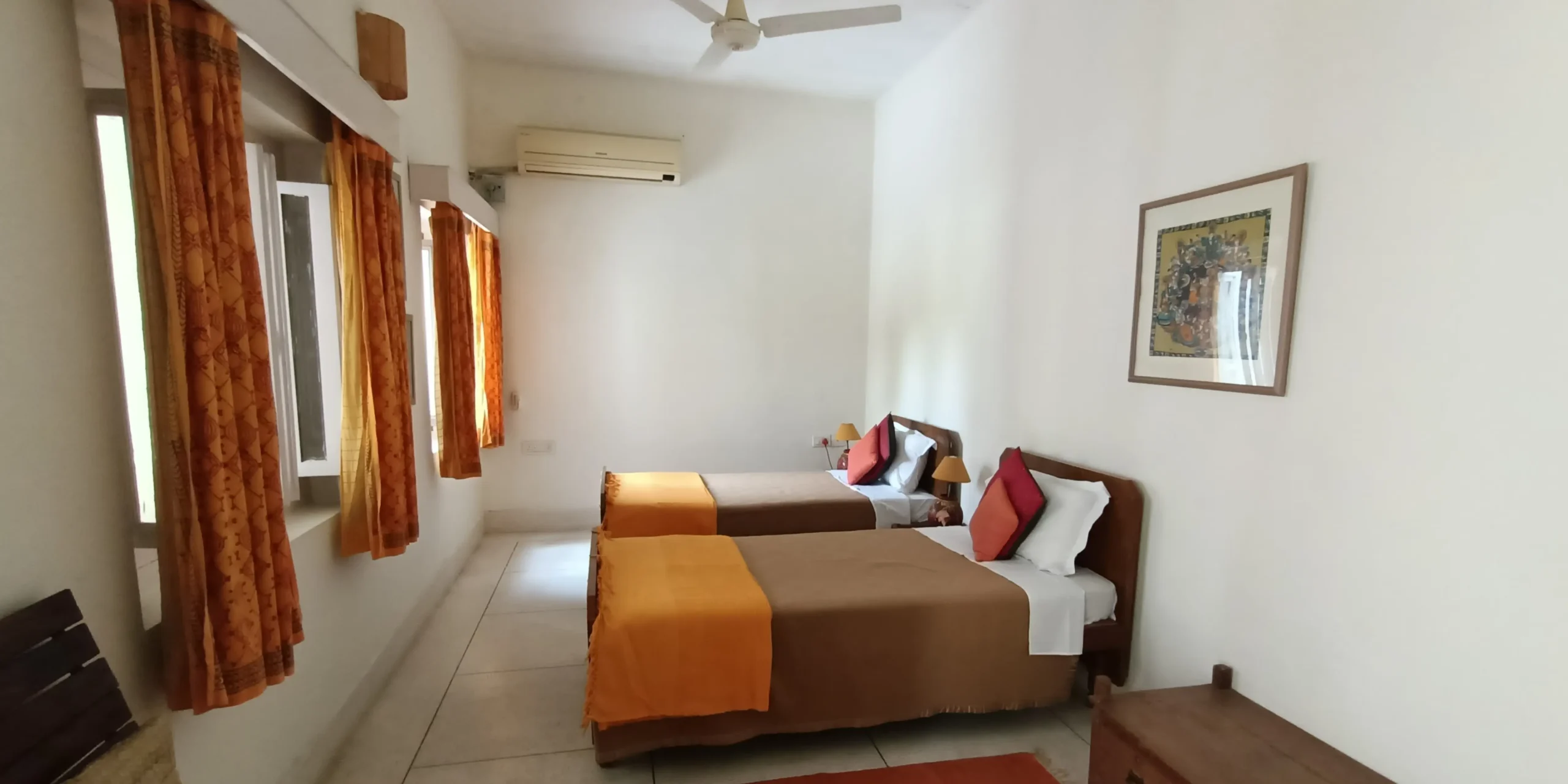
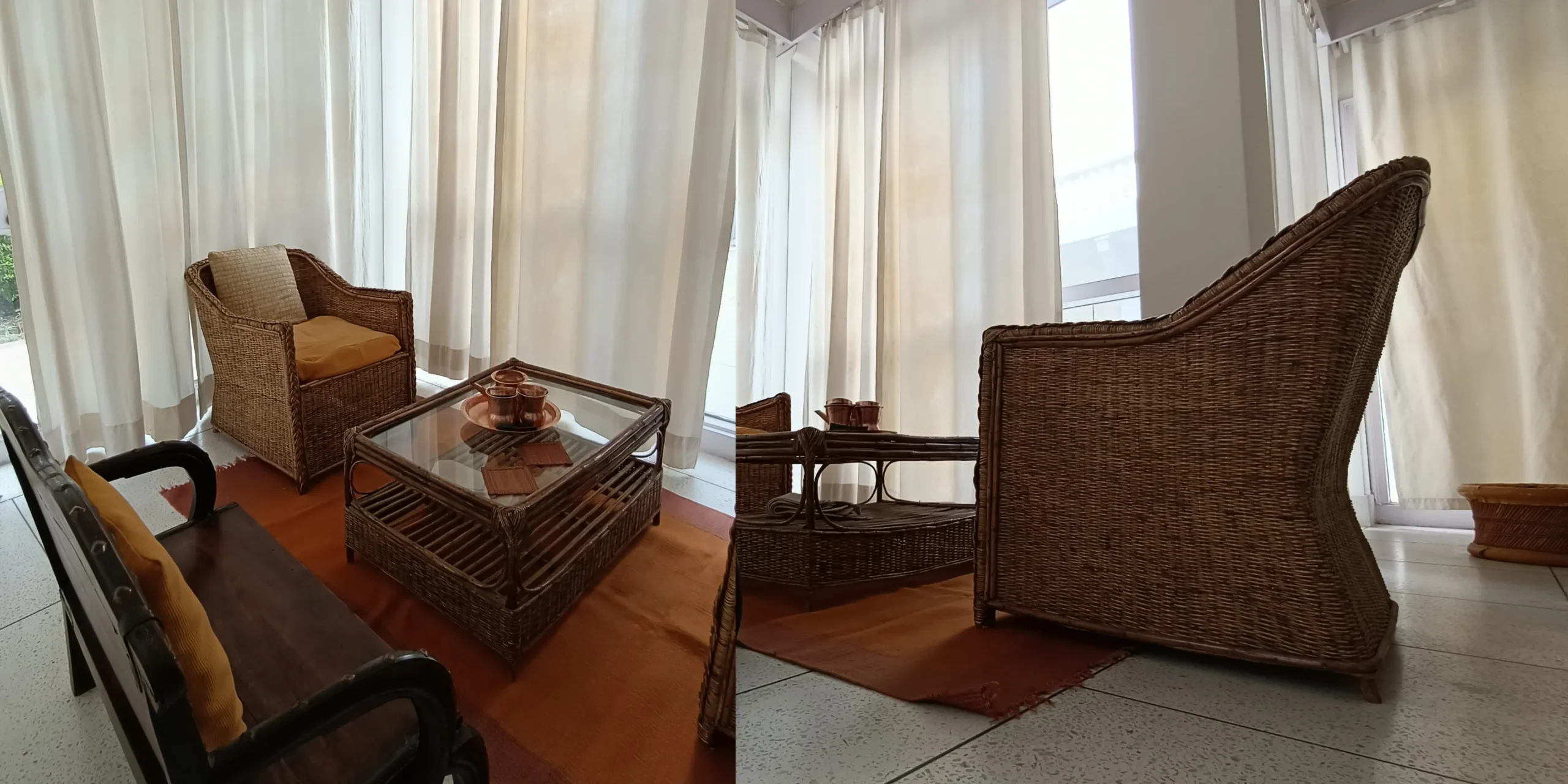
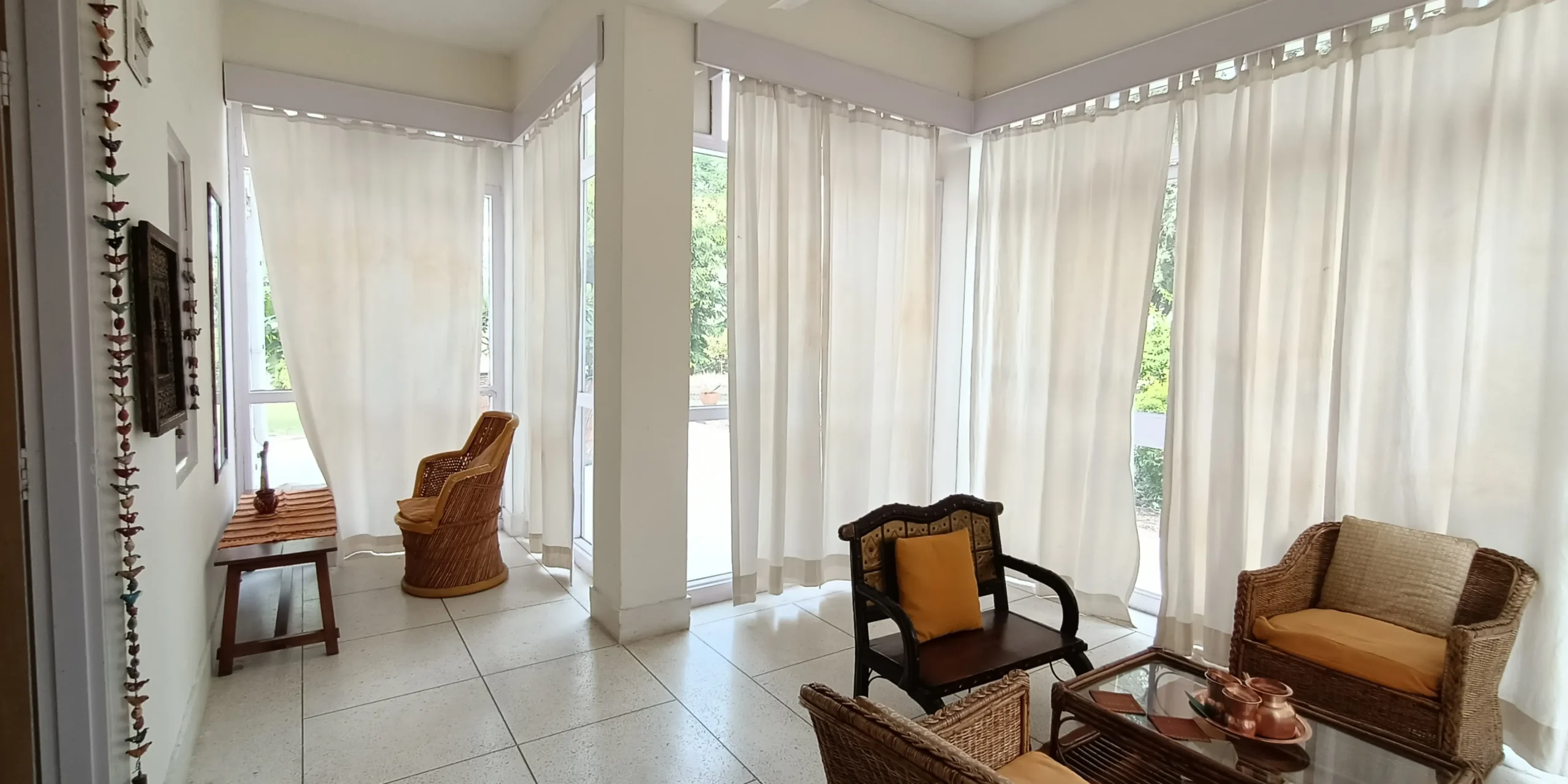
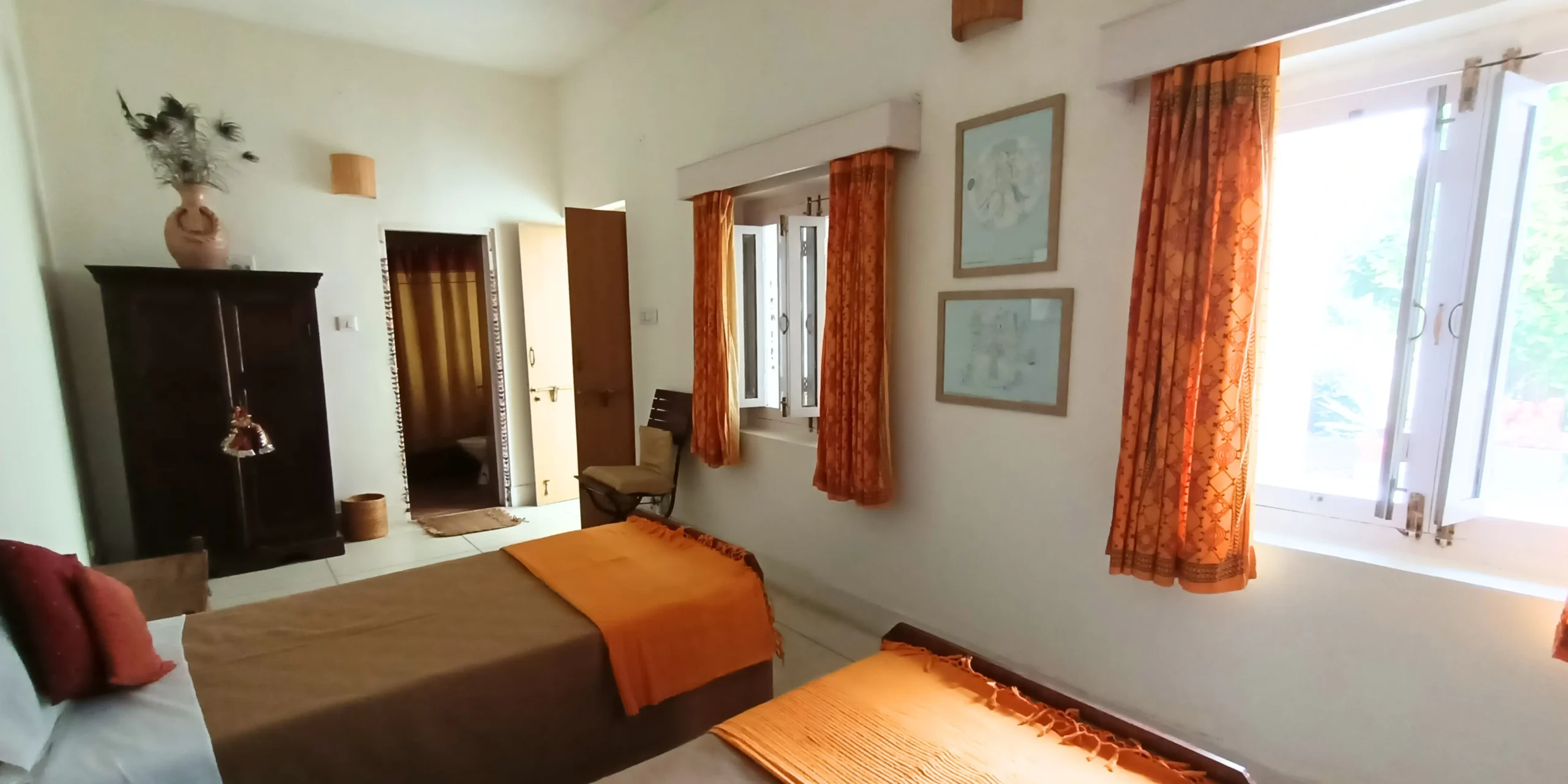
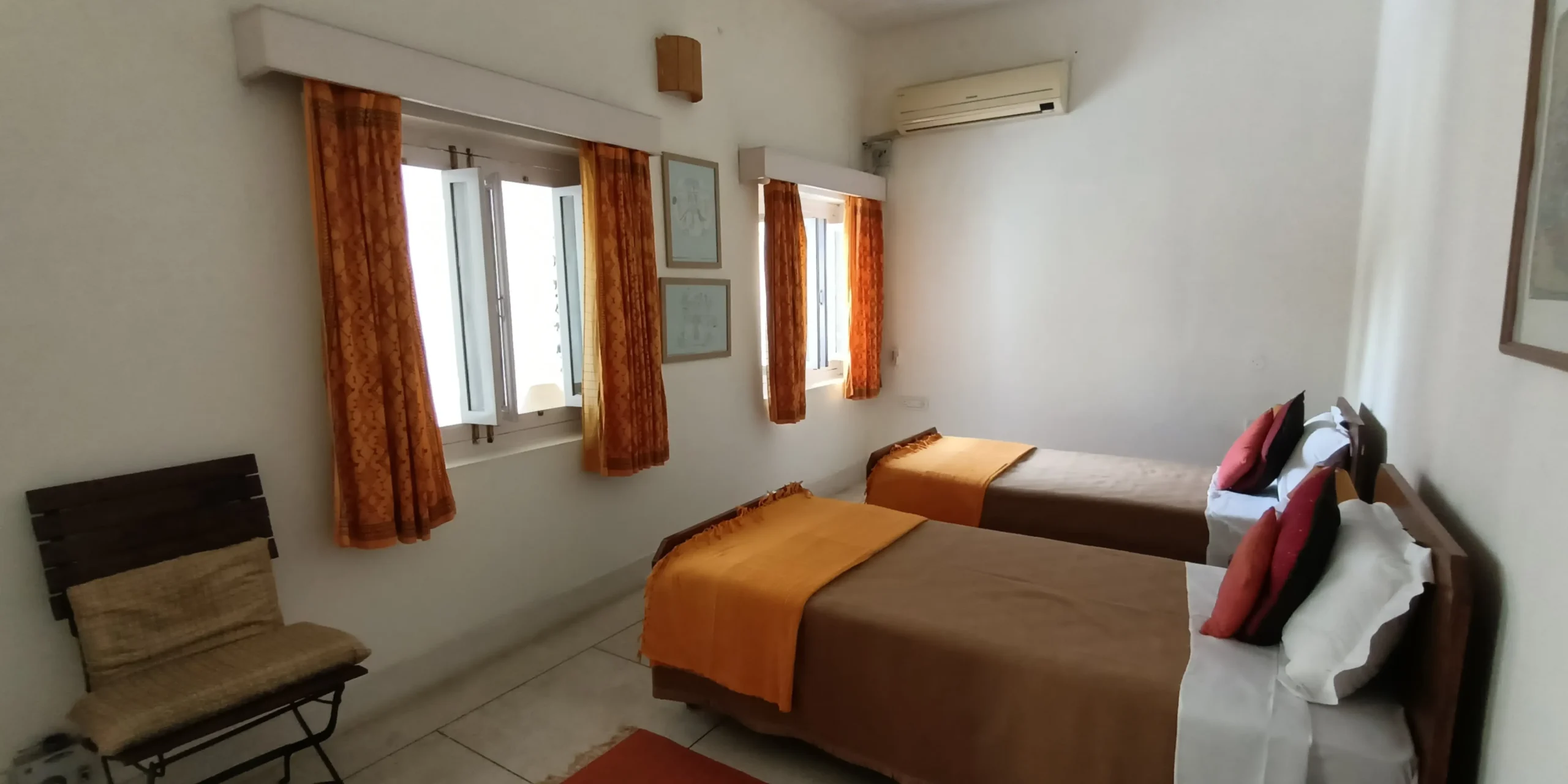
Kesar in Rajasthan has several connotations. It is saffron, the most delectable of spices…It is the colour of fragrant, sublime sandalwood…Kesar reflects the sun and golden sand dunes of the region…It symbolizes the aspiration of the people for auspiciousness, plenty and prosperity…It is one of the most favourite colours of choice, singly or in combination with hot pink and bright red, for women’s veils and men’s turbans… Above all, Kesar is the colour of the native Rajasthani’s love and longing for her/his lover… embodied as the Kesariya…
In this vast desert area, men of all communities- except for farmers- have traveled great distances, for thousands of years, to seek opportunity and fortune, in this wide-open expanse.… whether as merchants, warriors, herdsmen or artisans. Given the tradition of early betrothal and marriage, the experience of loneliness and separation came early in the lives of men and women here (Rajasthan’s notorious institution of child marriage, and the resulting maternal and infant death statistics, continue to reflect some of the negative outcomes of this social practice).
The rich marital traditions of Rajasthan have consistently centered on clan exogamy, an integral aspect of its vibrant social fabric. Consequently, due to the regional focus of clans, marriages often impressively bridged considerable distances, with families uniting from areas sometimes nearly 1000 km apart, fostering extensive kinship networks. Following marriage, young women would typically transition from their parental homes to establish new lives, often in regions far from their upbringing, becoming part of their husband’s extended family network. A young woman’s emotional sustainability thus depended on her skill in crafting a mutually supportive relationship with the people in her new and complex social environment. The only person in this environment with whom she could share a deep intimacy was her husband. When male migration led to couples being apart for significant durations, their deep affection often manifested as a profound and continuous yearning for their loved one’s presence. This feeling of profound attachment was often particularly notable among women, given the societal context.
All of this is embodied in the popular word-name for lover – Kesariya. Kesar, thus is, both, the colour of and metaphor for love and longing for the beloved…It is separation from and union with…the beloved. It is also a popular name in the region for both men (Kesar Singh) and women (Kesar Kanwar).
- Complimentary breakfast;
- Tea / Coffee making facility;
- Pure, natural drinking water from Savista’s borewells (complimentary bottled water on request);
- Complimentary nibbles;
- Free wireless internet;
- Air conditioning;
- Space heating in chilly weather;
- Sumptuous duvet and high quality cotton bed linen;
- Hundred percent cotton towels, robes and room slippers;
- Branded herbal bath products.
- Business services (scanning, copying, printing);
- Laundry and ironing*;
- Hair dryer;
- Concierge service;
- Maps and travel guides;
- Medicines, germicide gargle, sewing accessories etc. (an “Ask For” menu is placed in each room. If you require some other service that is not listed, please ask and we will try our best to arrange it for you);
- Doctor/dentist appointments and facilitation;
- For guests with physical disabilities, one room can be outfitted to suit their needs. Please let us know when booking.
(* chargeable)
Savista is a disability-friendly place. Please tell us if you have any physical disabilities and we will arrange your room and other services accordingly.
- One child is allowed per room.
- No additional charges for child below 4 years old.
- For child above 4 years Extra charge of INR. 2500/- will be added (rollaway bed will be provided).

Query Form